As we are all cruelly and instantly reminded every time we venture outdoors, winter has returned to Iowa.
And some days so far this season, Mother Nature has been in a take no prisoners mood. And when she is raging, no element of nature is spared, including our lawns, who are at risk from a variety of fungal diseases.
At the top of the list of winter lawn health threats is a common winter lawn disease that is no Yetti, it’s very real: Snow mold.
This fungus that grows beneath the snow is a stealth threat and grass killer for it goes unnoticed until early spring when the snow clears.
And this turfgrass disease thrives in cool to cold conditions, which can make untreated Iowa backyards ground zero for snow frost infestation.
“Plants that lack proper hardening and fungicide protection are very susceptible to snow mold infection over the winter, and even brief periods of snow cover can lead to rapid and severe disease development,” Paul Koch, Ph.D, the University of Wisconsin, cautions.
An Ice Cold Grass & Plant Killer
Working silently under the cover of snow, snow mold attacks grass blades and can kill roots if left untreated in wet soil. It can strike virtually anytime during the winter months, growing anytime grass is wet and soil temperatures dip below 40 degrees. Heavy snowfalls are unfortunately high quality H2O for snow mold.
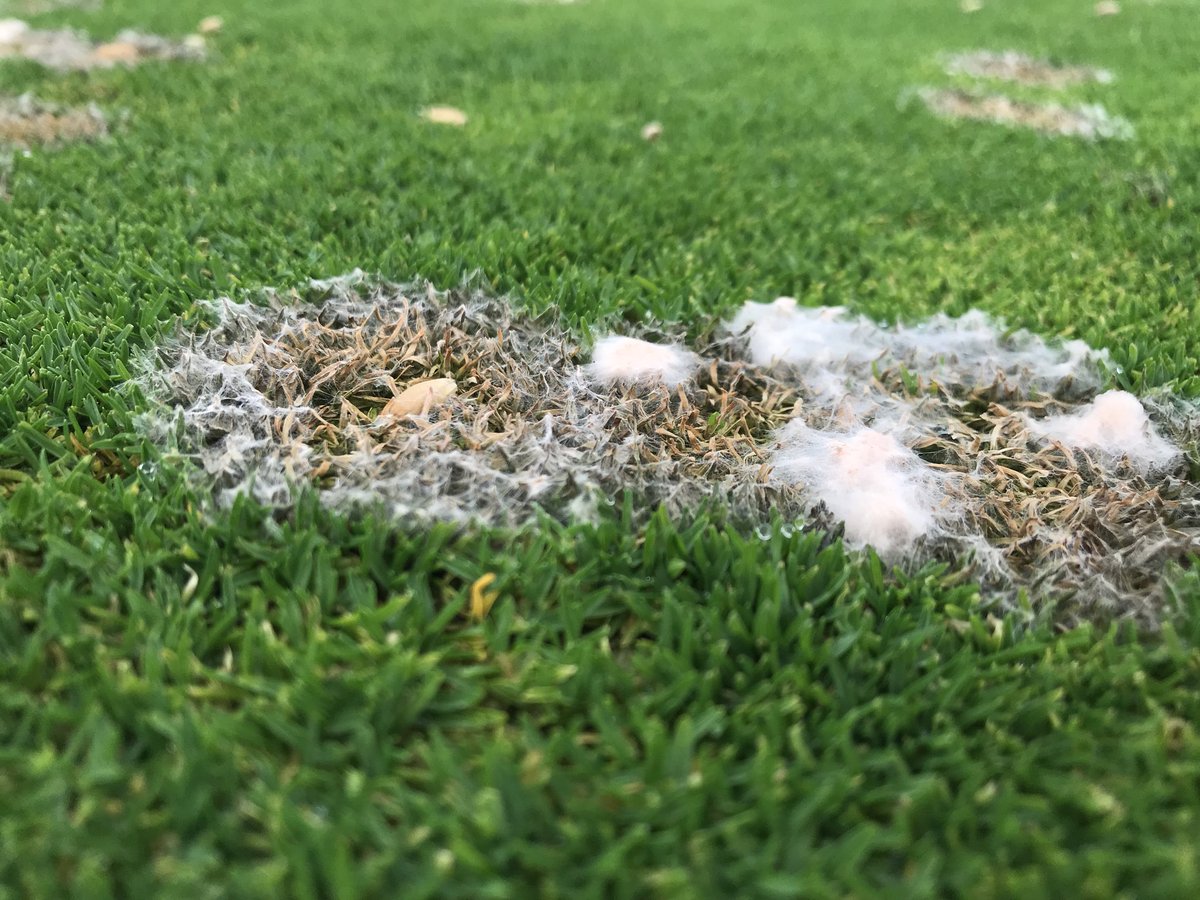
It’s not until April when snow mold’s wrath on grass is revealed. Ugly circular patches of dead grass emerge, leaving lawns sick and behind the 8-ball during their spring growth period.
“The most notable symptoms are white or tan crusted patches of dead and matted leaf blades, similar in appearance to papier mâché,” Penn State University’s Extension Office notes.
The Snow Molds of Iowa
The Hawkeye State is vulnerable to two types of snow mold. Gray snow mold is generated by two species of the fungus Typhula. Pink snow mold is the work of the fungus Michrodochium nivale.
While pink snow mold usually grows to just six inches across, gray snow mold is a greater menace with patches extending from a few inches to a few feet in diameter.
And they only continue to grow in cold weather and wet conditions. Be sure not to over-pile snow on your lawn this winter. It only plays into snow mold’s takeover plan for your lawn.
The Snow Mold Rescue Plan
Even if infected with a deep case of snow mold, no lawn is a lost cause. Affected areas usually green up. Only oversaturated areas will need to be reseeded.
By gently raking over affected areas, you can dry them out and avoid further fungal growth.
How do you avoid snow mold from writing a frosty, unsightly sequel for your lawn next winter?
By getting ahead of the frost. Next fall, dethatch your lawn, rake it thoroughly and apply a strong preventative fungicide like Scotts DiseaseEx Lawn Fungicide, Pillar G Intrinsic Granular Fungicide or Headway G Fungicide. Be sure to use eyewear and gloves when applying fungicide.
“In future years, problems with snow molds can be minimized by avoiding excessive nitrogen fertilization in fall, keeping the grass mowed until growth stops in fall, raking fallen leaves, and by not throwing or piling snow on problem areas,” the Iowa State University Extension and Outreach Yard and Garden Team advises.
Snow mold is a meddlesome lawn de-beautifier, but knowing how to spot it, prevent it and respond to it can prevent it from turning patches of your lawn into grass deserts this spring and summer.
