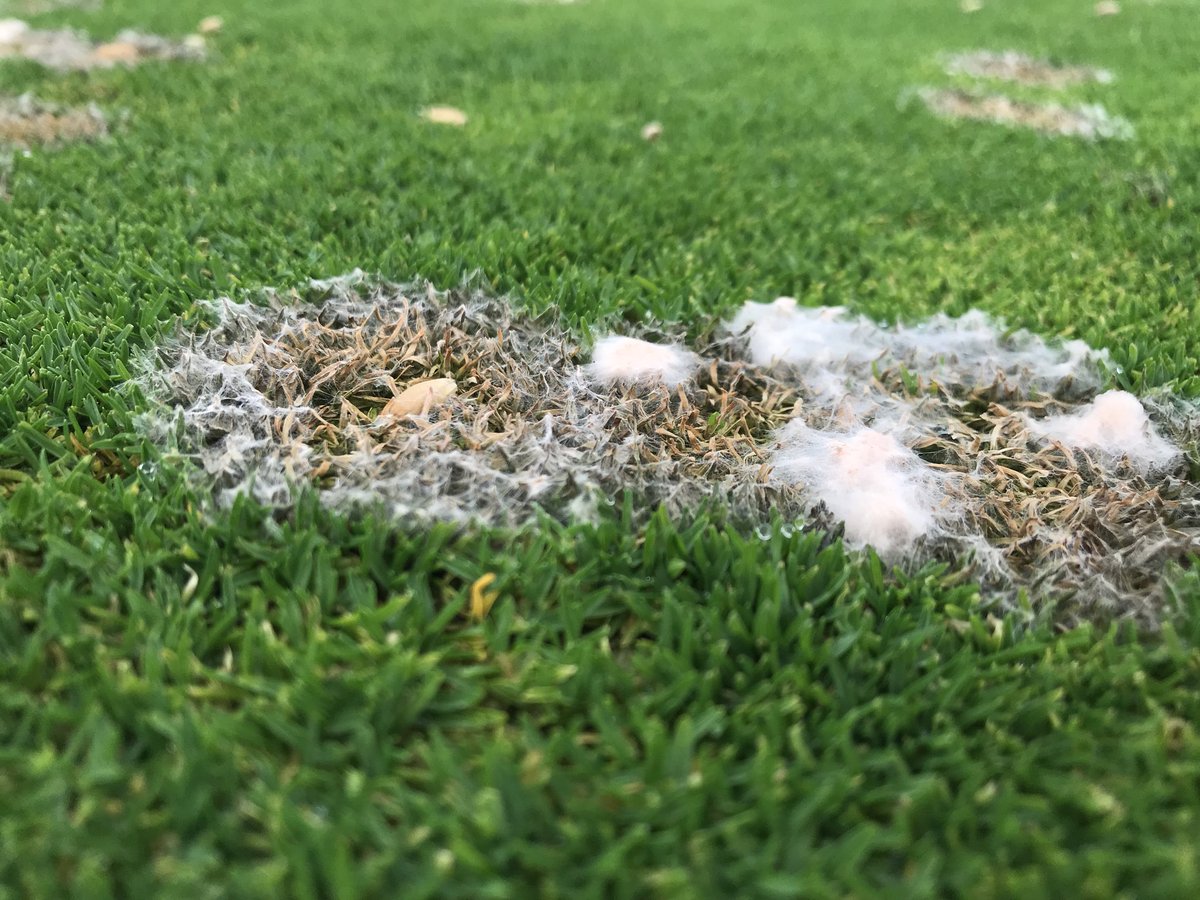
What Is Snow Mold?
The name sounds like something out of a low-budget holiday horror movie, but it’s a very real and present threat to lawn health during the snowy cold of winter.
Like the most devious of villains, snow mold’s negative impact on grass isn’t exposed until spring when snow melts. Snow mold emerges in gray-colored circles on your lawn.
And left unchecked, it can draw patchy graffiti all over your grass.
Snow mold makes “what once was green and lush unsightly and less than ideal,” This Old House.com writes.
And with winter again descending on Eastern Iowa, chances that heavy snows and the potential of snow mold following are highly expected.
What Causes Snow Mold?
Snow mold is generated by cold-weather fungi that primarily target cool-season grasses like Kentucky Bluegrass.
When Old Man Winter gets really weather-cranky and throws a heavy 6-12-inch snow at us, he leaves — as snow shovelers know all too well — a heavy snow blanket. Snow mold is especially troublesome early in the season when the ground has not yet become a frozen tundra.
Snow mold is most problematic when you receive a heavy, deep snowfall before the ground has completely frozen. All that weight on fragile grass plants, coupled with lots of wintertime moisture, not to mention cover from leaves, long grass and lawn debris, spells trouble in the form of snow mold.
How to Spot Snow Mold
Snow mold sticks out like a sore thumb when the snow melts in spring. It most often appears pink and gray. Circular patches ranging in diameter from a few inches to several feet across the lawn emerge, taking your lawn out of Home & Garden cover consideration before the season even starts.
Grass in snow mold patches will be matted down and crusty with a grayish hue.
When it comes to what’s worse, pink snow mold (official name: Fusarium patch) is the gravest offender. It can kill the crown and roots of grass plants. Gray snow mold (official name: Typhula blight) usually limits its damage to the grass blades.
The bottom line: snow mold grows no good things for your lawn.
How to Get Rid of Snow Mold
Snow mold may sound like a tougher foe to tame than a hungry yeti, but it can be beat.
Prevention is the best defense to beat snow mold before it can bring hurt to your lawn. There are now fungicide treatments that effectively remove snow mold in the spring when the snow melts.
But applying a preventive fungicide in the fall before Iowa’s first heavy snowfall can ice this troublesome nuisance before it emerges.
Here are steps to prevent and get rid of snow mold:
Snow Mold Prevention:
- Lawn Maintenance: Keep your lawn at a proper height (about 2-3 inches) before winter. Longer grass can provide better insulation and prevent mold growth.
- Fall Cleanup: Remove excess thatch, leaves, and debris from the lawn before the first snowfall.
- Fertilization: Apply a balanced fertilizer in late summer or early fall to strengthen grass roots.
- Aerate: Allow air to circulate through the soil by aerating the lawn in the fall. This helps prevent compacted soil, which can encourage mold growth.
- Fungicides: Consider using fungicides before winter sets in, especially if your lawn has a history of snow mold.
Snow Mold Treatment:
- Rake the Affected Areas: Once snow has melted and the ground has dried, gently rake the affected areas to remove matted patches of grass. This helps aerate the soil and promote new growth.
- Reseed or Resod: If the damage is severe, consider overseeding or re-sodding the affected areas to encourage new, healthy grass growth.
- Fertilize and Water: Apply a balanced fertilizer to aid in the recovery of the lawn. Ensure proper watering to keep the soil moist but not overly saturated.
Remember, prevention is often more effective than treatment. Taking steps to maintain a healthy lawn before winter sets in is key to minimizing the risk of snow mold.
Snow mold is one of the last surprises you want to discover in your lawn come spring. Knowing how to avoid it can help both you and your lawn sleep well and easy this winter.
